Mobility apps sell themselves as injury prevention insurance. Do your daily routine, fix your squat depth, protect your shoulders, stay in the game longer. The pitch is compelling — especially if you’ve ever had a training setback that a little more flexibility work might have prevented.
Both GOWOD and Pliability do real things. This isn’t a “both are bad” takedown. But only one of them probably fits your training context. The other is just a $150/year recurring charge you’ll stop opening after a month.
CrossFit and functional fitness athletes who want pre-workout movement priming: GOWOD at $12.99/month. Runners, lifters, and desk workers who want recovery and passive flexibility: Pliability at $14.99/month. If you’re not training consistently in the first place, cancel both and stretch for 10 minutes after your workouts. That’s not a joke.
What These Apps Actually Are (They’re in Different Categories)
This is the source of most confusion in the GOWOD vs Pliability debate: people compare them like they’re the same product. They’re not.
GOWOD is a mobility programming app. You do an initial assessment at signup — testing ankle dorsiflexion, hip flexion, shoulder rotation — and the app prescribes 8-15 minute daily routines targeting your specific weak spots. The goal is athletic preparation and injury prevention for sport-specific movement. Think squat depth, overhead position, the ability to do a kipping pull-up without your shoulder falling out.
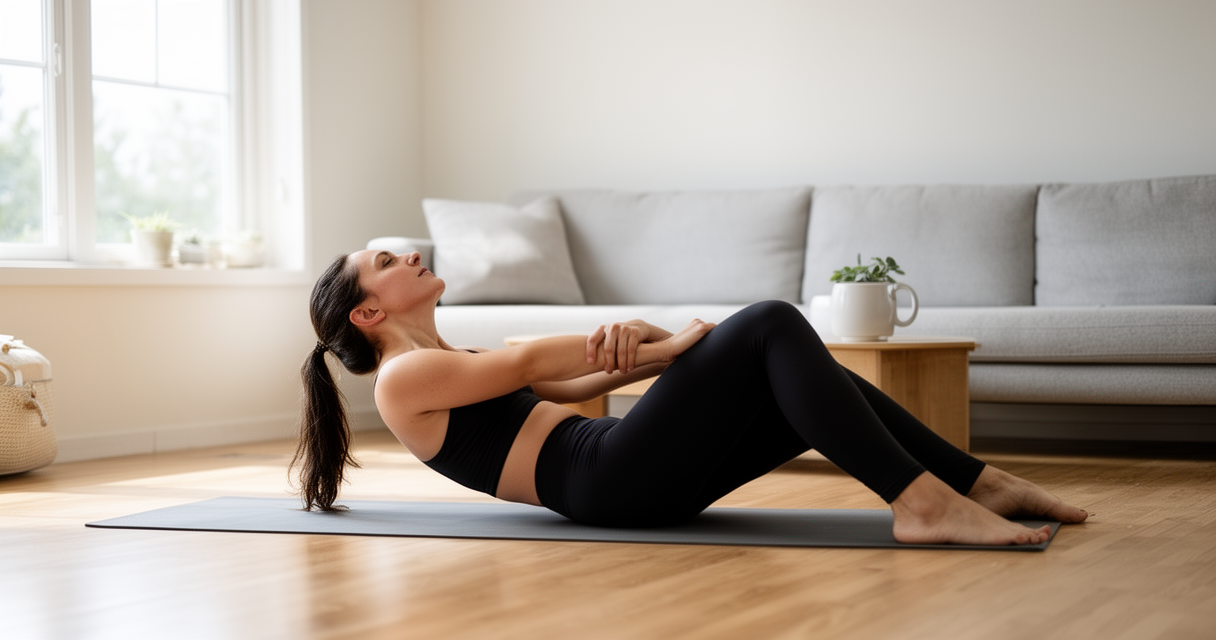
Pliability is a guided flexibility and recovery app. Sessions run 10-60 minutes. The format is closer to a yoga class than a warm-up routine — passive holds, breathwork, a calm instructor voice. You might do it post-workout, on a recovery day, or before bed. The goal is general flexibility and recovery, not sport-specific movement prep.
Both use the word “mobility.” Both show up in the same search results. But you’d never substitute one for the other and get the same result. GOWOD is performance prep. Pliability is recovery. That distinction matters more than the $2/month price difference.
Pricing Compared
Neither app will break the bank, but neither is free.
- GOWOD: $12.99/month or ~$99/year (7-day free trial)
- Pliability: $14.99/month or ~$129/year (14-day free trial)
Annual pricing saves you 30-35% on both. If you’re serious about using either consistently, pay annually.
The math worth doing: a single sports massage runs $80-150 in most cities. If you’re getting one every other month as injury prevention, that’s $500-900/year. A mobility app at $99-129/year is cheaper — but only if you’re actually using it to prevent the injuries that would otherwise send you to the massage table. Apps that you open twice don’t prevent anything.
The cost-per-session math is useful here. At $129/year, Pliability costs you about $0.53 per session if you do five sessions a week, 50 weeks a year. Skip three weeks a month and you’re paying $1.60 per session for content you’re ignoring. The app isn’t the problem. Consistency is.
GOWOD: Personalized Mobility Programming
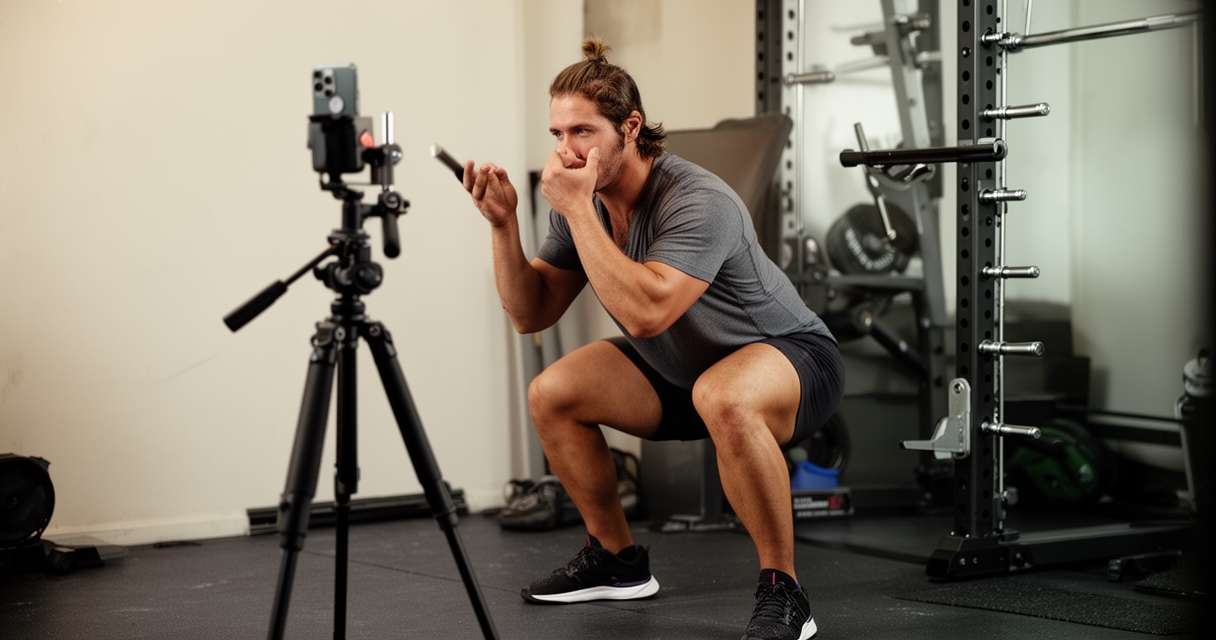
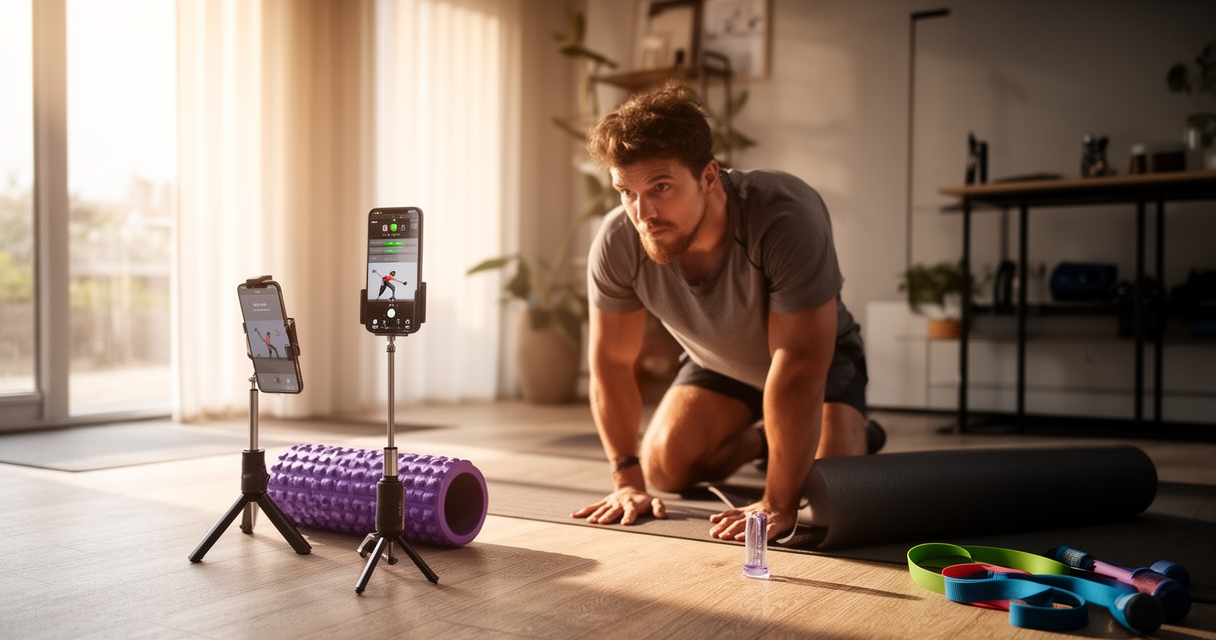
GOWOD’s strongest selling point is the initial assessment. You film yourself doing a series of movement tests — ankle dorsiflexion, hip flexion, shoulder rotation — and the app assigns you a baseline mobility score across different zones. That score drives everything: your daily routine targets your actual weak points, not a generic flexibility sequence.
Monthly reassessments show progress. If your hip flexion score improves, your programming adjusts. If your ankle mobility is still limiting your squat depth six weeks in, the app keeps hammering that. That’s meaningfully more useful than doing the same 12-minute routine every day and hoping something changes.
The programming is built around CrossFit and weightlifting movement patterns: squat, hinge, press, overhead reach. If your training life involves barbells, gymnastics movements, or functional fitness, the exercises GOWOD prescribes will feel immediately relevant. You’ll recognize exactly which weakness is limiting which lift.
Best for:
- CrossFit athletes with specific mobility deficits (tight ankles limiting squat depth, limited thoracic mobility limiting overhead position)
- Olympic weightlifters who need a consistent pre-lift routine
- Anyone who wants to address specific movement dysfunction rather than general stiffness
Limitation worth knowing: the assessment is self-reported. You film yourself, the app analyzes the video, but it’s not a PT assessment. It’s better than nothing — and it’s genuinely useful for tracking progress over months — but it won’t catch compensations, asymmetries, or underlying structural issues that a human eye would catch.
Pliability: Guided Flexibility Without the Personalization
Pliability used to be ROMWOD — a CrossFit-adjacent flexibility app that was essentially “do these long holds while someone talks you through it.” In 2022, the company rebranded to Pliability specifically to escape the CrossFit association and reach a broader audience: yoga-adjacent users, runners, general fitness people, desk workers who aren’t going to touch a barbell.
The rebrand worked in terms of content expansion. Pliability now includes meditation, breathwork, and yoga-style sessions alongside the original long-hold flexibility routines. If you want a 40-minute post-run stretch with an instructor voice guiding you through it, Pliability delivers that in a way GOWOD doesn’t attempt to.
What Pliability doesn’t do is personalize. There’s no intake assessment. There’s no “your hip flexors are a 6/10, here’s what to fix.” You browse sessions by body area, duration, or goal — but the programming isn’t responding to you specifically. It’s a library, not a prescription.
That’s not necessarily a weakness. For recovery work, personalization matters less. You don’t need an algorithm to tell you that your legs are tired after a 20-mile training run. You pick a lower body recovery session and do it. Pliability is very good at being exactly this: accessible, calm, long-form flexibility work that doesn’t require you to know anything about mobility science.
Best for:
- Runners looking for structured post-run recovery work
- Lifters who want off-day flexibility without calling it yoga
- Desk workers who need to undo the damage of sitting all day without the intimidation of a yoga class
- Anyone who wants flexibility as a recovery tool rather than a performance tool
Which One Fits Your Training Context
Stop asking which app is “better.” Ask which one solves the problem you actually have.
| Training Context | Recommended App |
|---|---|
| CrossFit athlete | GOWOD |
| Olympic weightlifter | GOWOD |
| Powerlifter (pre-lift prep) | GOWOD |
| Powerlifter (off-day recovery) | Pliability |
| Runner | Pliability |
| Desk worker, general flexibility | Pliability |
| History of knee or shoulder injury | GOWOD (assessment over generic routines) |
| “I just want to be less stiff” | Pliability |
The one case where GOWOD clearly wins regardless of context: if you have a specific injury history and a specific movement pattern that keeps breaking down, you want the assessment and the targeted programming. Generic flexibility routines — however good the instruction — won’t systematically address a mobility deficit the way GOWOD’s scoring and progression system does.
The one case where Pliability clearly wins: if you already have a training program and just need something to wind down with at the end of the day or week. The long sessions, the calm instruction style, the breathwork integration — it’s designed to be done in a state of rest, not readiness. That’s genuinely useful. GOWOD isn’t built for that.
What Neither App Does (The Part Worth Reading)
Both apps have real value. Both also have real limits, and the marketing from both sides underplays those limits considerably.
Neither replaces a physical therapist. If you have a serious mobility deficit — meaningful shoulder impingement, chronic knee pain, hip instability — you need a human who can observe your movement in three dimensions, palpate tissue, and build a treatment plan around your specific history. GOWOD’s assessment is useful. It’s not a PT evaluation. Pliability doesn’t even try.
Neither replaces strength training. This one gets ignored. You can be extremely mobile AND extremely weak. That combination isn’t safer than being strong and inflexible — it’s arguably worse, because hypermobile joints without muscular support are more injury-prone, not less. The best AI personal trainer apps address programming more holistically. A mobility app is a supplement to a strength program, not a substitute for one.
Neither fixes consistency problems. No app does. If you’re not opening GOWOD after the first two weeks, the problem isn’t that you need a better interface or a longer free trial. The problem is that daily mobility work isn’t yet a non-negotiable for you. An app can make the work convenient. It can’t make you do the work.
This is the honest context the fitness app industry doesn’t like to discuss: apps are tools for people who already have the habit. They make an existing practice more structured and trackable. They’re genuinely useful in that role. They don’t create the habit from scratch.
Comparison Table at a Glance
| Feature | GOWOD | Pliability |
|---|---|---|
| Monthly price | $12.99 | $14.99 |
| Annual price | ~$99 | ~$129 |
| Mobility assessment | Yes (self-filmed) | No |
| Personalized programming | Yes | No |
| Session length | 8-15 min (daily) | 10-60 min |
| Style | Performance prep, active | Recovery, passive holds |
| Best for | Sport-specific athletes | Recovery, general flexibility |
| Free trial | 7 days | 14 days |
| Formerly known as | — | ROMWOD |
Our Verdict: Pick Based on What You’re Already Training For
Here’s where we land after looking at both apps seriously: there’s no universal “better” here, and anyone who tells you there is hasn’t thought carefully about what these apps actually do.
GOWOD is the right call if your training has specific movement demands — if tight ankles are limiting your front squat, if your overhead position is garbage, if you’re failing the snatch at the catch because your thoracic spine won’t cooperate. The assessment-driven programming is genuinely different from generic stretching content. It gives you a baseline, targets your weak points, and tracks whether you’re improving. For athletes, that matters.
Pliability is the right call if you want flexibility work that feels like recovery rather than training. The longer sessions, the guided breathwork, the lack of a test to pass at signup — it’s designed for people who need to slow down as part of their routine, not ramp up. Runners especially tend to do well with Pliability because recovery is a legitimate part of training, not an afterthought.
What we’re genuinely skeptical of: paying $150/year for either app and opening it four times. The fitness subscription market is built on the gap between what people intend to do and what they actually do. Before you subscribe to either, take the free trial seriously. Do it daily for a week. If you can’t do that in 14 days with full motivation and zero friction, you won’t do it for 12 months.
If you’re already tracking workouts seriously — check out the comparison of Hevy vs Strong for workout logging — mobility app spending makes sense as an add-on. If you’re still looking for the hardware angle, the best Whoop alternatives without a subscription might be worth your attention before you layer on another monthly charge.
Both apps are tools. Neither is a solution.
Frequently Asked Questions
Is Pliability really just ROMWOD with a new name?
Mostly. Same company, same foundational content — the original ROMWOD long-hold routines are still in the library. The 2022 rebrand expanded the content library significantly: yoga, meditation, and breathwork joined the original flexibility programming. If you were a ROMWOD subscriber, Pliability is a strict upgrade in terms of content variety.
Does GOWOD’s mobility assessment actually work?
It works as a self-reported baseline, which is better than no baseline. You record yourself doing a series of movement tests, the app scores your range of motion, and you get a starting point. It’s not as accurate or nuanced as a PT assessment — a camera doesn’t catch compensations or asymmetries the way a trained eye does. But for tracking your own progress over three, six, twelve months, it’s genuinely useful.
Can I use GOWOD if I don’t do CrossFit?
Yes, without qualification. The marketing is CrossFit-heavy because that’s the community that originally built GOWOD’s user base. But the mobility assessments and programming work for any athlete: powerlifters, Olympic weightlifters, swimmers, gymnasts, runners. The movement patterns tested — hip flexion, ankle dorsiflexion, shoulder rotation — are fundamental to athletic performance regardless of sport.
Which is better for athletes with previous injuries?
GOWOD edges out on this one because targeted programming based on a personal assessment is more appropriate for injury history than generic flexibility content. That said, neither app replaces professional care. Use either as a supplement — not a treatment — and loop in a PT for anything that’s been chronic or structural.
Are these apps worth $150/year?
Only if you’re doing five or more sessions per week, consistently. Run the math: $150/year ÷ 250 sessions (5 weekly over 50 weeks) is $0.60/session. That’s fair value. If you’re realistically doing three sessions per week, you’re at $1.00/session — still reasonable. If you’re opening the app twice a month, you’re paying $6.25/session for content available on YouTube for free.
What’s the alternative to paid mobility apps?
YouTube, specifically Squat University (Dr. Aaron Horschig), Daniel Vadnal (FitnessFAQs), and GMB Fitness. These channels offer structured, well-researched mobility programming at zero cost. The main thing you lose compared to GOWOD is the personalized assessment and tracking. If you’ll actually open a paid app consistently, the $12-15/month is worth the convenience. If you won’t, free YouTube content delivers about 80% of the value without the subscription guilt.
The Bottom Line
GOWOD and Pliability solve different problems. GOWOD is sport-specific mobility programming built around an assessment. Pliability is guided flexibility and recovery work without personalization.
If your training has specific movement demands — squat depth, overhead position, sport-specific patterns — GOWOD is the right tool. If you want structured recovery work that doesn’t require you to think about which body part to target, Pliability is the right tool.
If you’re not training consistently anyway, neither app fixes that. Save the $150/year and stretch after your workouts.
Pick based on your training context. Use the free trial like you mean it. The only bad outcome is paying for a subscription you never open.